Small bladder tumours,
treated in the office

Treatment without an operation

Most bladder tumours are low-risk tumours confined to the inner lining of the bladder. They can come back after removal, which is why you have regular follow-up cystoscopies. When a small recurrence turns up, it does not automatically mean another operation under anaesthesia.

With office laser fulguration I treat small recurrences directly in my practice. A fine diode laser fibre is passed through the same thin, flexible cystoscope used for your check-up and coagulates the tumour tissue, under local anaesthetic gel and without a hospital stay.

For you, this means fewer operations, less time away from work and family, and a follow-up that stays an office visit.
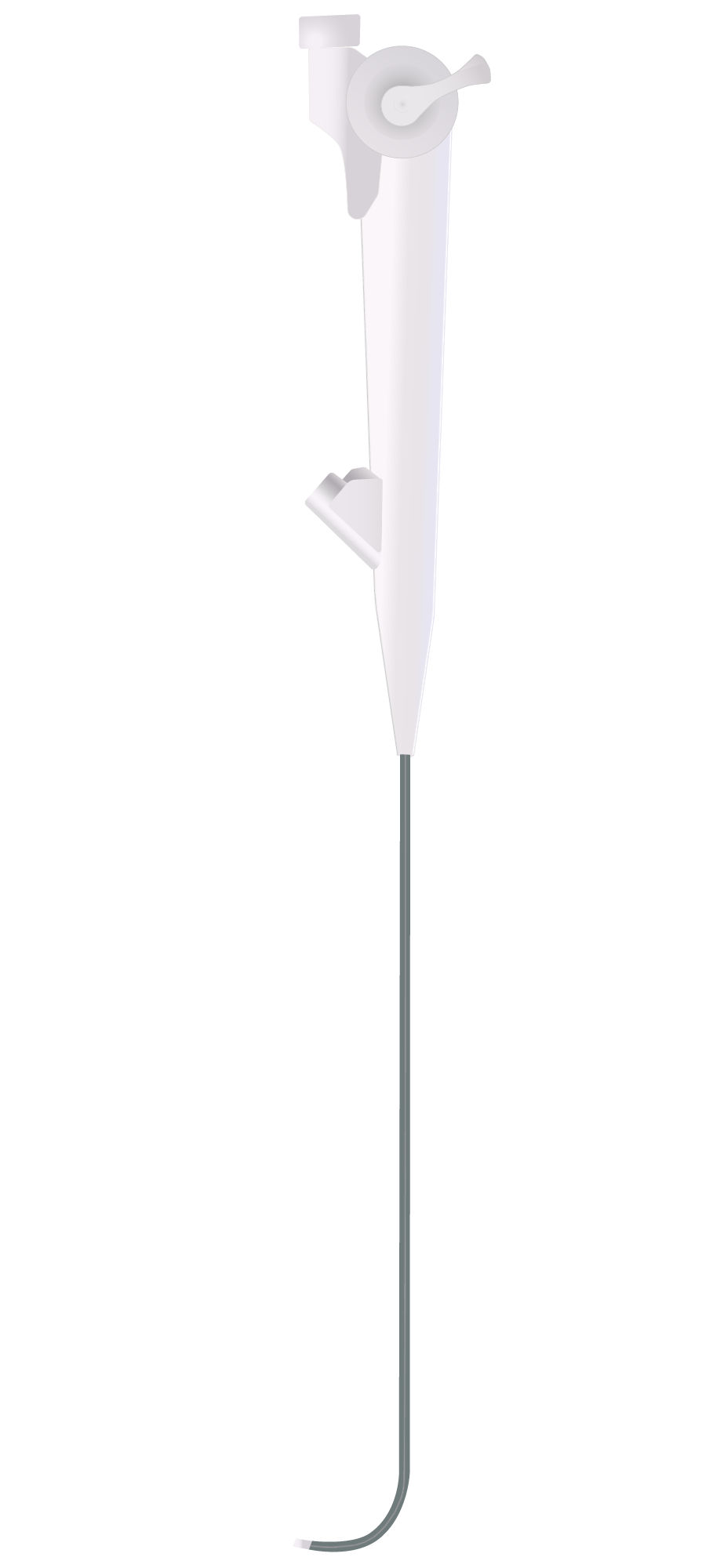
Thin flexible cystoscope used for office laser treatment

Is it suitable for you?

You have had a low-risk bladder tumour before You are in regular follow-up cystoscopy A small recurrence has been seen that looks like your earlier tumour

Whether office treatment is right for you is decided individually, at the cystoscopy: based on your tumour history, the size, number and appearance of the findings and your urine results. If anything is unclear, I will recommend a resection with tissue analysis instead.

In the office or in the operating theatre?

Both remove the recurrence. This is how they differ for you.

Office laser fulguration

in my practice
Anaesthesia
Local anaesthetic gel
Fasting
Not necessary
Time
About 15–20 minutes, often within your follow-up visit
Hospital stay
None, you go home straight away
Catheter
No catheter
Blood thinners
No need to pause them
Tissue sample
No, the tumour is coagulated

Resection (TURBT)

in hospital
Anaesthesia
General or spinal anaesthesia
Fasting
Required
Time
Separate operating date
Hospital stay
Usually one or more nights
Catheter
Often for one to two days
Blood thinners
Often need to be paused
Tissue sample
Yes, full histology

How it works

01.
At your follow-up cystoscopy

I examine the bladder with the thin flexible cystoscope. If a small recurrence looks like your earlier low-risk tumour, we can discuss treating it straight away.

02.
Local anaesthesia

An anaesthetic gel numbs the urethra. No injection, no fasting and no anaesthetist are needed, and you keep taking your blood thinners as usual.

03.
Laser coagulation

A fine diode laser fibre is passed through the working channel of the cystoscope. The laser coagulates the tumour tissue together with a small margin and seals small blood vessels at the same time, so there is hardly any bleeding. You may feel some warmth or brief pressure.

04.
Home the same day

You get dressed and go home straight away, without a catheter. Slight burning when passing urine or a little blood in the urine for a few days is normal. Your next follow-up cystoscopy is scheduled as usual.

What you should know

Because the laser destroys the tumour tissue rather than removing it, no tissue sample goes to the pathologist. That is why office fulguration is only suited to known low-risk recurrences, and why regular follow-up cystoscopies continue afterwards.

If a finding is larger, looks different from before, or your urine results are suspicious, I recommend en-bloc laser resection with full tissue analysis instead.

More about laser resection