Precision
without discomfort.

What is a cystoscopy?

A cystoscopy is a minimally invasive endoscopic examination that allows direct visualization of the urethra, bladder neck, and bladder wall. A thin, flexible camera — the cystoscope — is gently guided through the urethra and transmits high-resolution video in real time, enabling immediate clinical assessment.

The procedure is performed entirely in the office without general anaesthesia. A topical anaesthetic gel is applied beforehand to maximize comfort. The examination typically takes 5 to 10 minutes, and findings are discussed immediately during the same visit — no waiting for a separate appointment.

The comfort of the procedure depends largely on the instrument used. Our ultrathin flexible cystoscope (4.3 mm) is meaningfully smaller than the standard instruments used in most centres (5.3 mm), while delivering identical optical quality and diagnostic accuracy.
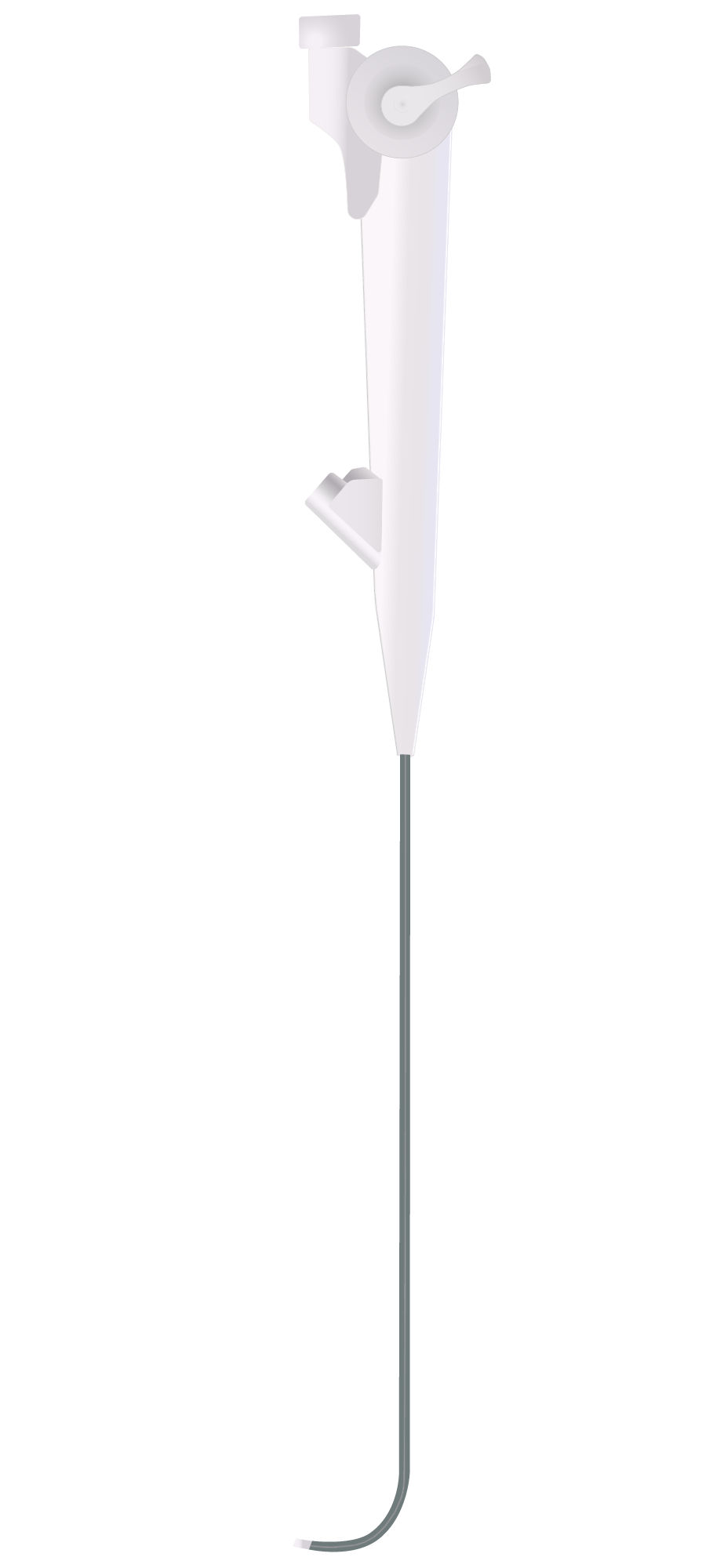
Ultrathin flexible cystoscope used in our practice

When is cystoscopy indicated?

Blood in urine (haematuria) Bladder cancer follow-up Recurrent urinary tract infections Lower urinary tract symptoms Suspected bladder lesion or tumour Urethral stricture Bladder stones Unexplained pelvic pain Post-operative assessment Surveillance after TURBT
Cross-sectional comparison
The same diagnostic quality.
34% smaller.
5.3 mm Standard scope
4.3 mm Our scope
34% Smaller cross-section
18% Thinner diameter

Why choose our approach?

01.
Less discomfort

At 4.3 mm, our flexible scope is 34% smaller in cross-section than a standard 5.3 mm instrument. This difference is clinically meaningful — patients consistently report a more comfortable experience compared to procedures performed with larger scopes, without any compromise in diagnostic capability.

02.
Same diagnostic precision

A smaller scope does not mean a smaller image. The high-resolution optics of our 4.3 mm instrument deliver the same diagnostic quality as larger scopes — mucosal detail, vascular patterns, lesion characterization, and anatomical landmarks are fully preserved. The entire bladder can be inspected systematically and thoroughly.

03.
No anaesthesia required

Flexible office cystoscopy is performed under topical urethral anaesthesia only. There is no need for sedation, spinal block, or general anaesthesia. Patients remain fully awake and comfortable throughout, can drive themselves home afterwards, and resume normal daily activities immediately.

04.
Immediate results

There is no waiting, no separate hospital admission, no follow-up appointment just to receive findings. The procedure, a review of the endoscopic images, and a full clinical discussion take place within the same office visit. You leave with a clear answer and — where needed — a concrete management plan.